
Why Learning Jewellery Designing
Importance of CAD in Jewellery manufacturing
4/14/20265 min read
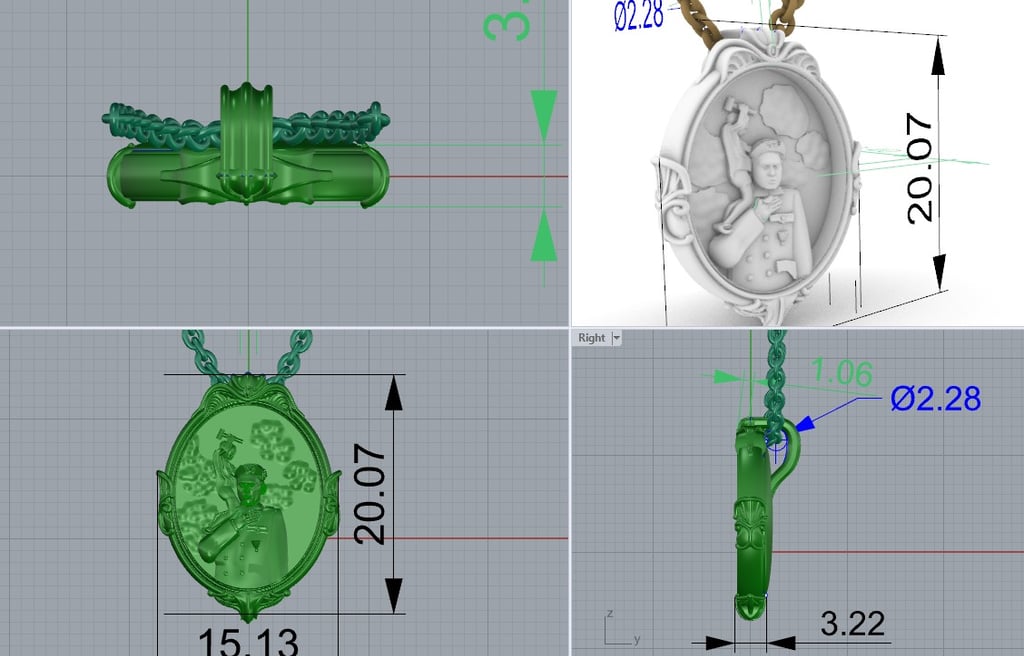
A Guide to "CAD jewellery design course" at Amal Udaan in Bangalore Bring the hidden passion from you to reality and fly with your Dreams. Why is Jewellery Design Learning important and Why Should You Pursue It?
Amal Udaan Training centre will nurture you in CAD the usage of Precious metals Silver, gold , platinum , Gems Stone , Lab grown diamonds and Natural Diamonds used in Jewellery..
From designing to crafting, learn how 3D jewelry design using CAD software Rhino and Z brush can elevate skill and craftsmanship in India.
Jewellery manufacturing turns raw materials into finished jewellery pieces. The process begins with Concept new ideas and hand Drawing designing, Creating a CAD file and prototyping your idea before casting and setting it in stone. Finishing touches such as polishing, engraving, or applying treatments are added to enhance the piece’s beauty and durability.India is one of the world’s largest jewellery markets and is renowned for the creativity of its designers and manufacturers. As modern technology intensifies global competition and consumer tastes change rapidly, speed to market and adaptability are essential for designers and manufacturers
The role of CAD(Computer aided Design) and CAM (Computer aided Machine) 3D printing in jewellery prototyping .
CAD and 3D printing add a new layer of precision and artistry to jewellers' skill sets. The process begins with an idea. Designers sketch their concepts on paper or with digital tools. Once a design is finalized, it’s moved on to prototyping. Traditional methods create prototypes by handcrafting models, which can take a long time and require material investment. Modern CAD software enables faster, CAD files are generated using tools to lay the design as background image and sketch it . It has tools to easily Transform and duplicate same elements, Develop All freeform and geometry kind of designs , complex design can be made in fraction of time with more accurate, the same accuracy can be kept in prototyping with 3D printing, enabling designers to preview and test designs without wasting time or materials. Quick physical models improve collaboration between designers, manufacturers, and buyers. After getting a physical piece printed from the cam machine output , People can check communicate and provide feedback more effectively when they view and examine a CAM output.
The role of LAB grown diamonds in Jewellery.
Lab grown diamonds are often more affordable than their natural counterparts, allowing for larger carat sizes and intricate custom designs without breaking the budget. Moreover, they're regarded as an environmentally friendly choice since their production involves less disruption to the Earth. Sustainability and Ethics Most women today wish their spending to be mindful. Mining has long been under fire for its ecological destruction and human rights abuses. Lab grown diamonds, in contrast, are conflict-free and environmentally friendly. To Indian women who are sustainability-conscious, lab grown diamond earrings present a guilt-free shine.Affordable Luxury
Diamonds are desirable but not necessarily within reach. Cost is one of the strongest reasons women are attracted to lab created diamond earrings. Lab diamonds tend to be 30–40% less expensive than natural diamonds of the same quality. That makes them within reach without sacrificing either beauty or size. Superior Quality Since they are produced under regulated conditions, lab diamonds tend to have fewer inclusions. What this means is that they look clearer and more brilliant than a lot of mined diamonds at the same price point. For women who appreciate blemish-free jewellery, manmade diamond earrings are a desirable choice.Versatile Fashion Lab diamond gems come in every form possible — from traditional studs to fashion-forward hoops and sophisticated danglers. They can be paired with traditional sarees, celebration lehengas, or western attire with equal commodiousness. This convenience makes them an ideal fit for contemporary Indian ways of living.
A Symbol of Modern Thinking Wearing lab created diamond earrings is not only a fashion statement. It is awareness, individuality, and progressive values. For young Indian women, considered Status on luxury. India is becoming a global hub for Lab-Grown Diamonds. These require high-precision CAD work for intricate settings.
The role of Precious and Semi-precious GEMS stones in Jewellery.
The Radiant Role of Gemstones in Modern Jewellery From the deep crimson of a Burma ruby to the calming lilac of an amethyst, gemstones are the soul of jewellery design. Historically, the industry divided these treasures into two simple camps: precious and semi-precious. Today, that line is blurring as designers and collectors prioritise personal expression, sustainability, and unique beauty over rigid labels.
Traditional "Big Four" Precious Stones
For centuries, only four gemstones were officially classified as "precious" due to their extreme rarity, hardness, and historical association with royalty:
Diamonds: Renowned for their unparalleled brilliance and durability (10 on the Mohs scale), they remain the ultimate symbol of commitment.
Rubies: Valued for their intense red hues caused by chromium, rubies like those from Burma are among the rarest and most sought-after gems.
Sapphires: While famous for royal blue, they actually occur in nearly every colour. They are prized for their 9/10 hardness, making them ideal for daily wear.
Emeralds: These vibrant green stones are celebrated for their "jardin" (internal inclusions) and are often more valuable than diamonds when found in large, high-quality sizes.
The Versatile World of "Fine" (Semi- Precious) Stones
The term "semi-precious" is increasingly being replaced by "fine gemstones" or "colored gemstones" because it can unfairly diminish the value of rare stones like Paraiba tourmaline or Alexandrite, which can cost more than traditional precious gems.
Design Freedom: These stones offer a much wider palette of colours and shapes, allowing for experimental and seasonal collections.
Affordability & Accessibility: They allow enthusiasts to build diverse collections of natural stones without the astronomical price tags of the "Big Four".
Symbolism: Many choose these stones for their perceived healing properties—like Amethyst for calmness or Citrine for success.
Trends: Purpose Over Prestige
As we look toward, the role of gemstones is shifting from mere status symbols to meaningful narratives:
Ethical Sourcing: Sustainability is now a core requirement. Collectors are opting for fewer, higher-quality pieces with transparent origins or lab-grown alternatives that offer the same brilliance with lower environmental impact.
Personalized "Talismans": Jewelry is being used as a form of storytelling. Birthstones and "Navratna" (nine-planet) stones are being reimagined into modern, wearable talismans that align with the wearer's identity.
Bold & Organic Shapes: Moving away from uniform perfection, trends favour organic, sculptural designs and asymmetrical "cluster" settings that highlight a stone's natural inclusions.
The "Mermaid Core" Palette: Look for a surge in teal and "parti" sapphires (stones with two or more colours), reflecting a growing love for maritime and oceanic hues.
Whether you are drawn to the timeless prestige of a ruby or the unique "play-of-colour" in a natural opal, the modern rule for choosing gemstones is simple: choose the one that resonates with your personal story.
The Skill Gap: Technology is moving at light speed internationally , but in India our education system are now awakening . middle and low-income students not getting the AI literacy they need, effectively trapping a generation of bright minds in low-wage cycles like food delivery driving instead of empowering them to innovate for eg: Currently The Lab-Grown Diamond (LGD) sector is exploding, yet there is a massive shortage of skilled CAD designers to meet manufacturing demands.
Cad designer demand: Traditional artisans lack modern digital skills (like CAD), and design graduates often lack practical industry "bench skills". So grab the Best opportunity to learn Designing course .
Market Need: The Indian jewelry market is projected to reach $153.77 billion by 2033, yet organized training is limited.